

36th ESPU Congress 2026: Dr. Prabhu Karunakaran Represents India at the European Pediatric Urology Congress in Paris
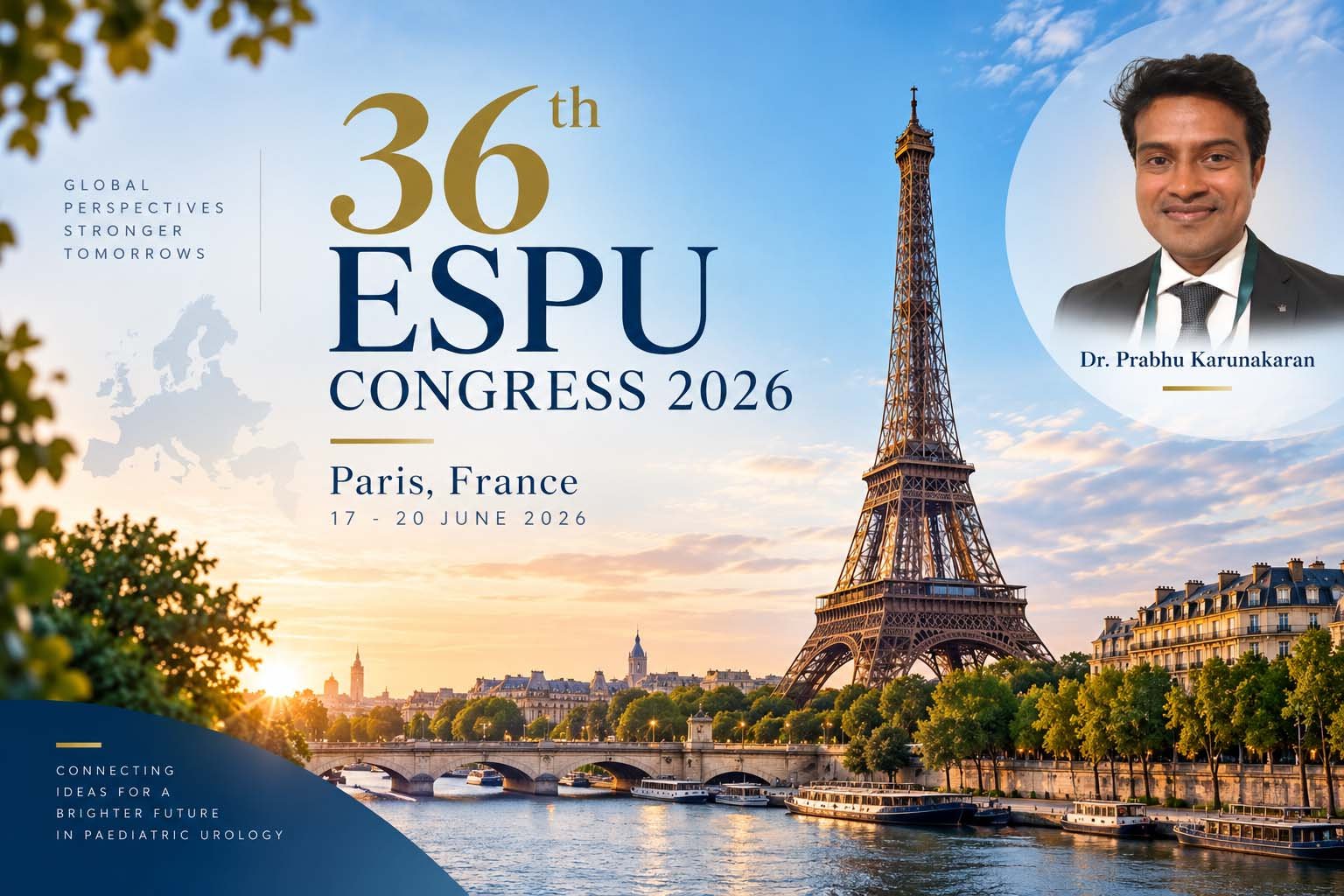
The 36th Annual Congress of the European Society for Paediatric Urology (ESPU) brought the international paediatric urology community together in Paris, France, from 17 to 20 June 2026, creating a global platform for scientific exchange, new ideas and professional collaboration. Held at the Palais des Congrès de Paris, the congress featured scientific sessions, panels, lectures and workshops covering a wide range of topics in paediatric urology.
For Dr. Prabhu Karunakaran, Paediatric Urologist in Hyderabad, the Paris meeting was an important opportunity to represent India on an international stage. He attended the congress in his capacity as Secretary of the Society of Pediatric Urology (SPU-IAPS), engaging with paediatric urologists and colleagues from different parts of the world while exploring opportunities to strengthen academic collaboration between India and the international paediatric urology community.
The 2026 ESPU Congress was the society’s 36th annual congress and its first annual meeting in Paris, bringing together a broad scientific programme that included research sessions, specialist panels, lectures, workshops and dedicated discussions across multiple areas of paediatric urology
A Global Meeting for Paediatric Urology
The ESPU Congress provided a broad view of where paediatric urology is heading internationally. The official programme included sessions covering areas such as paediatric robotics and laparoscopy, hypospadias, stones, neuropathic bladder, lower urinary tract dysfunction, oncology, basic science, adolescent urology and reconstructive topics, alongside research and educational sessions.
For Dr. Prabhu Karunakaran, the value of attending an international congress of this scale extended beyond the formal scientific programme. His visit provided an opportunity to exchange ideas with experienced paediatric urologists, observe the direction of international practice and build professional relationships across institutions and countries.
The meeting also highlighted how paediatric urology continues to evolve through the interaction of minimally invasive surgery, robotic techniques, reconstructive urology, stone management and evidence-based clinical practice. Dr. Prabhu Karunakaran’s own reflection on the congress specifically notes the opportunity to witness advances in paediatric robotic surgery, minimally invasive techniques, reconstructive urology and paediatric stone disease.
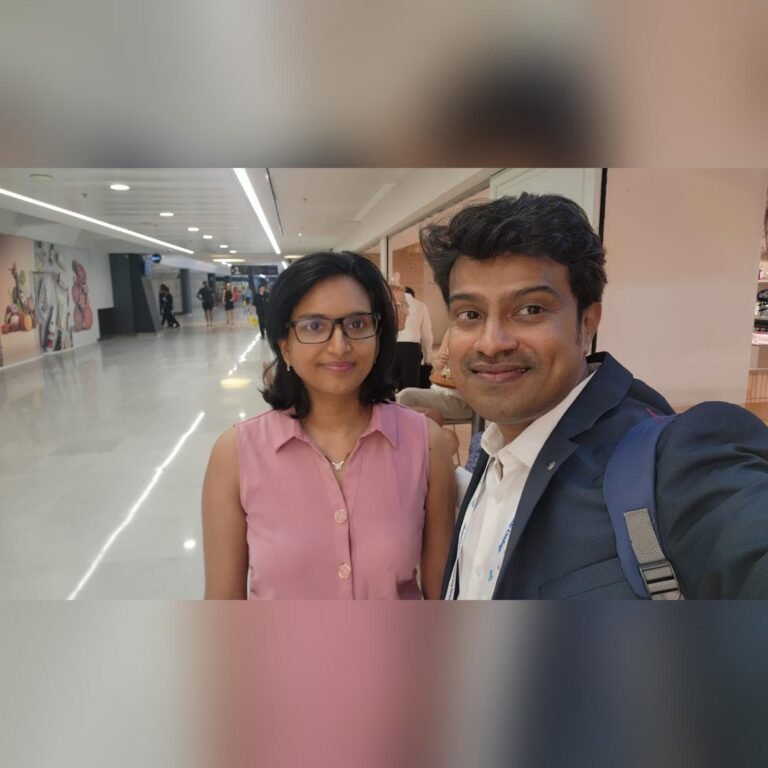
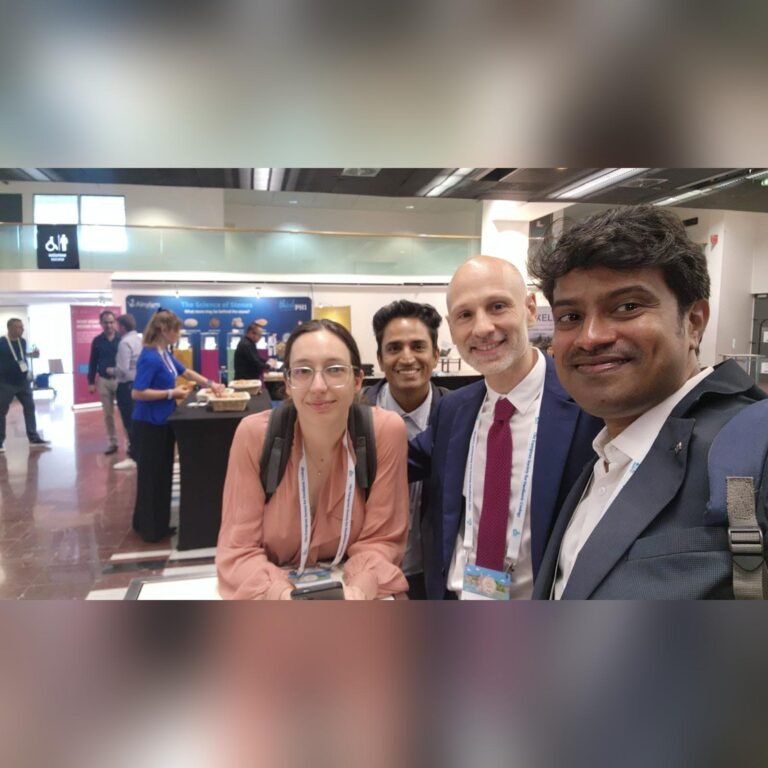
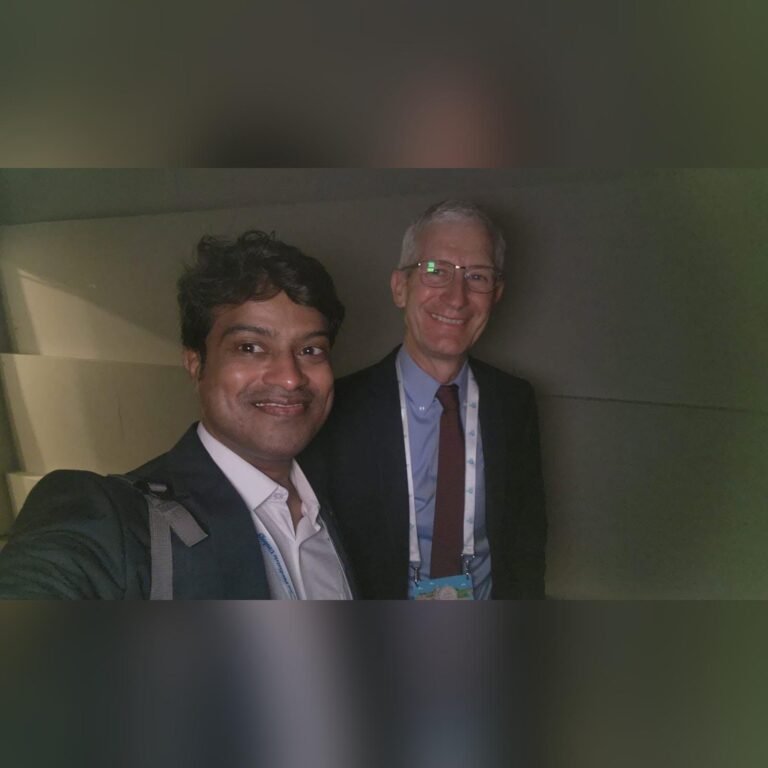
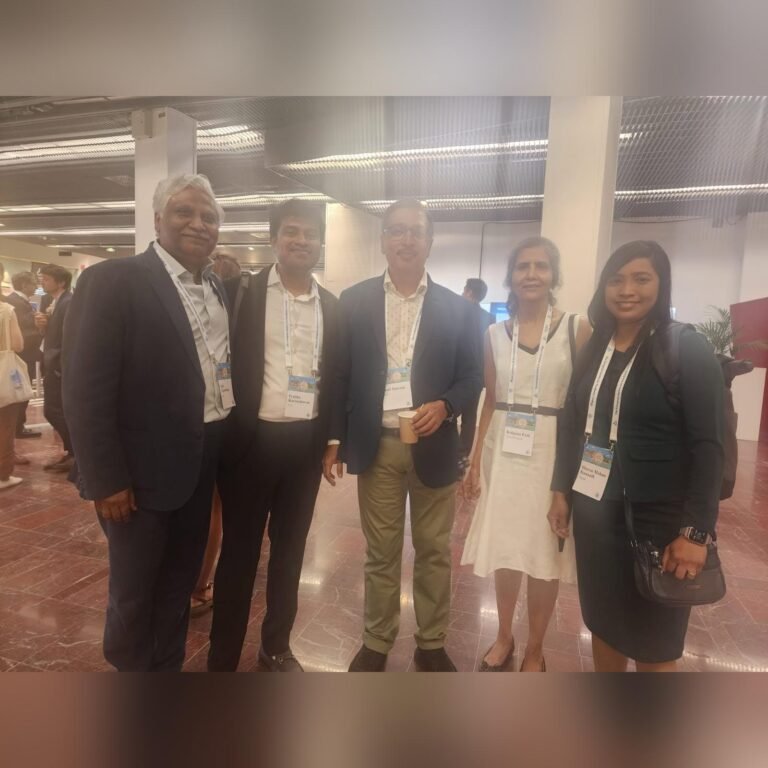
Meeting Leaders in Paediatric Urology
One of the most valuable aspects of an international congress is the opportunity for direct interaction with colleagues whose work is shaping the specialty globally.
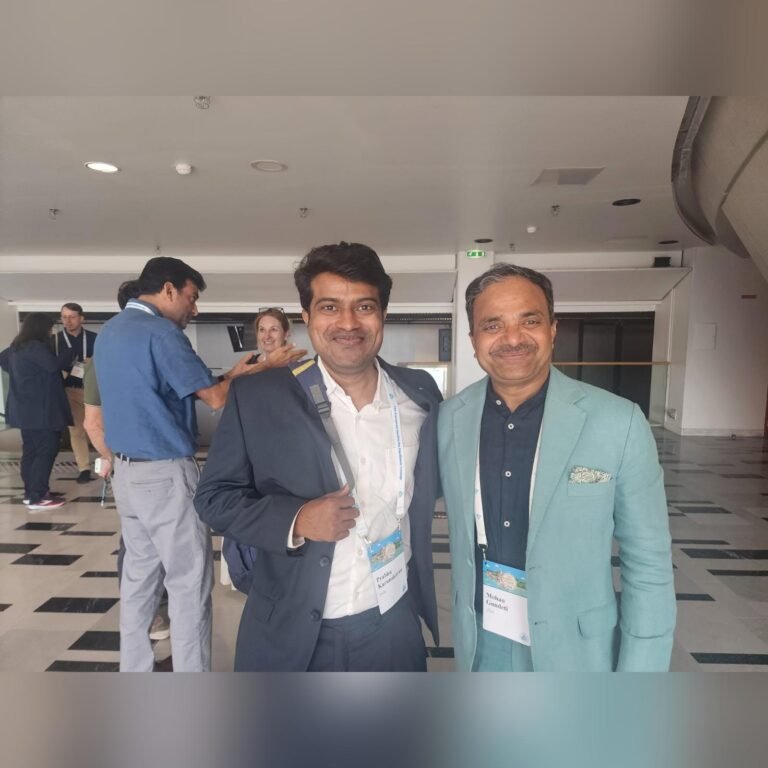
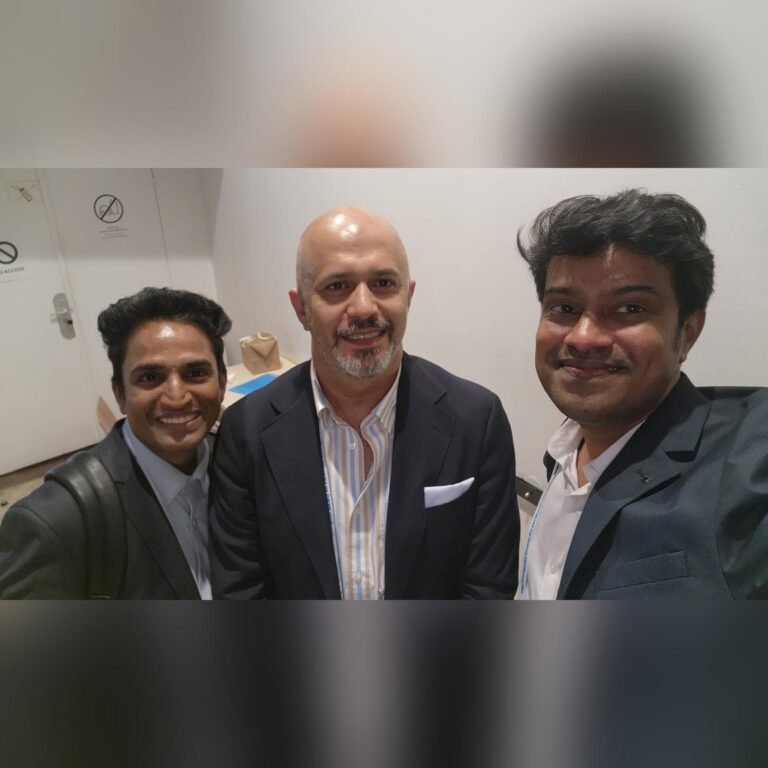
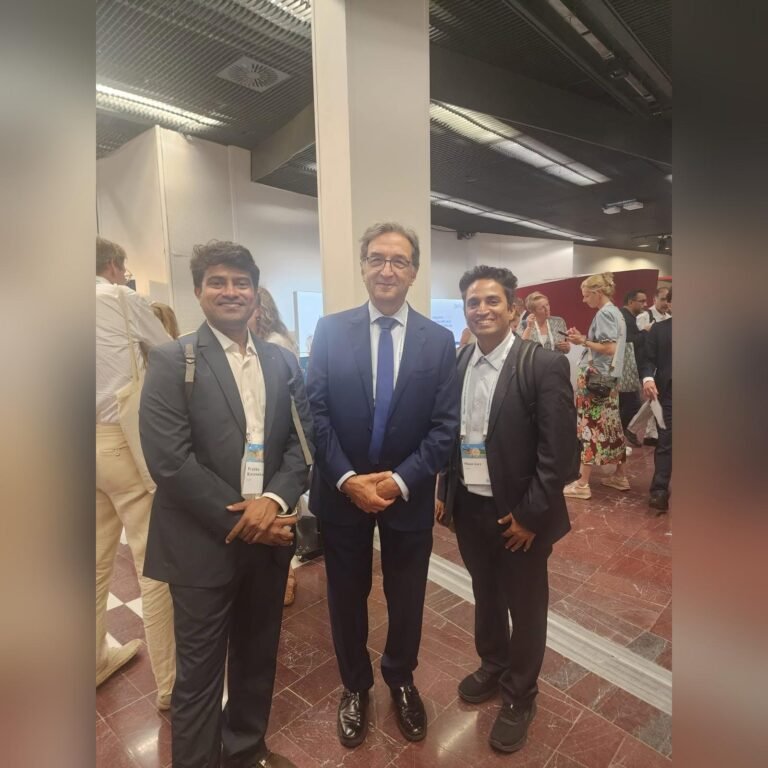
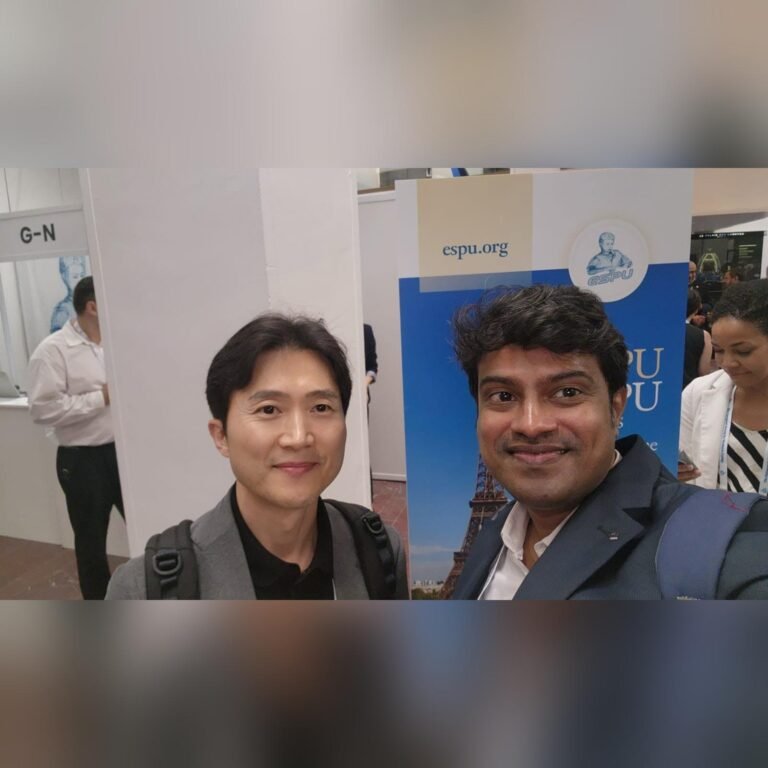
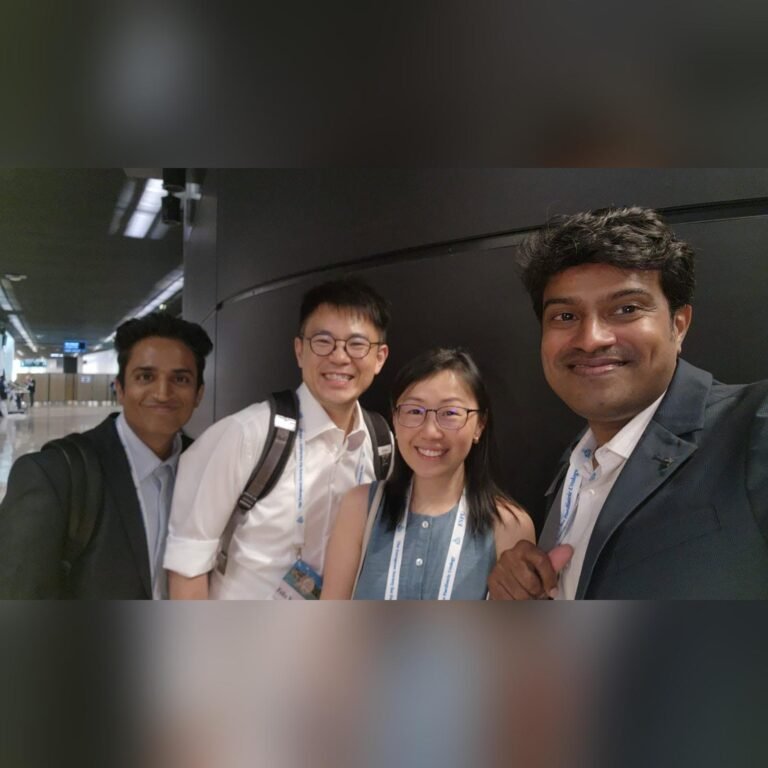
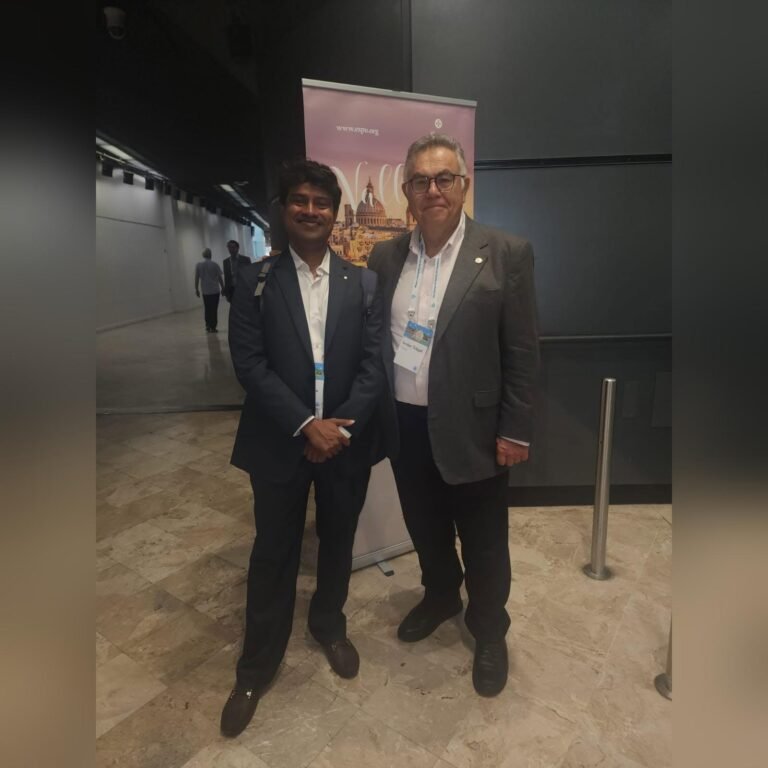
During the ESPU Congress in Paris, Dr. Prabhu Karunakaran met and interacted with several internationally recognised paediatric urologists, including Dr. Mohan Gundeti and Dr. Martin Kaefer from the United States, Prof. Sardar Tekgül, Prof. Alaa El Ghoneimi from France, Dr. Jade from Hong Kong, Prof. Bebe from the United Kingdom and Dr. Sheron Mohan from Ireland.
These interactions formed an important part of the academic and professional experience in Paris. International meetings such as ESPU create opportunities not only to exchange technical knowledge, but also to discuss how different centres approach complex paediatric urological conditions, surgical innovation, research and training.
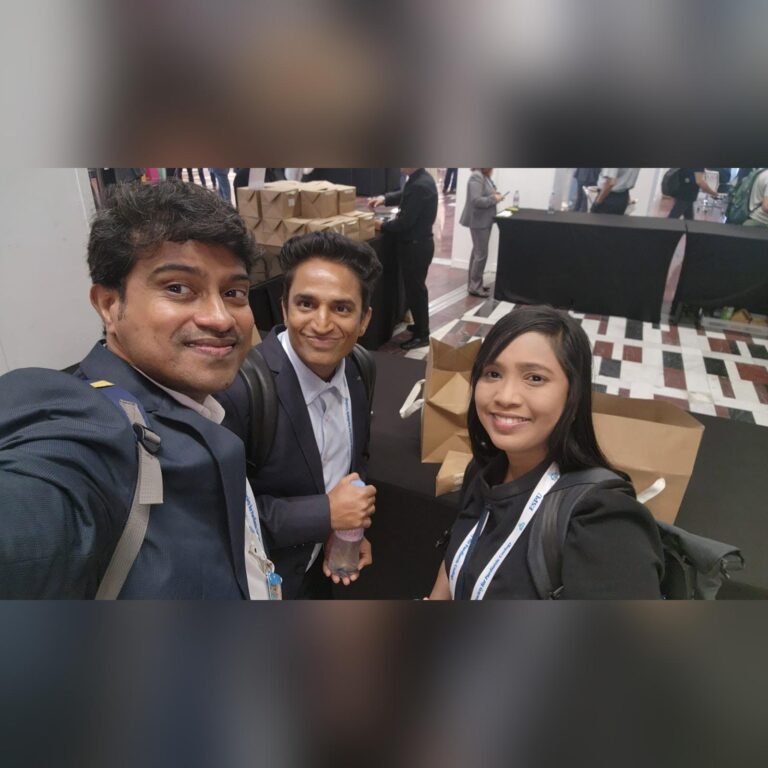
Dr. Prabhu Karunakaran also met several colleagues from India, including Dr. Sujith Chowdary, Dr. Phani, Dr. Rajesh Yerra and Dr. Anil Takwani, along with many other friends and collaborators working in paediatric urology.
For a rapidly evolving specialty, these professional connections can be as important as the scientific sessions themselves, helping ideas and experience move across institutions, countries and healthcare systems.
From Paris to Stronger Academic Collaboration
A particularly important dimension of Dr. Prabhu Karunakaran’s participation was his role as Secretary of the Society of Pediatric Urology (SPU-IAPS).
During the Paris meeting, he held discussions focused on strengthening the academic relationship between SPU and ESPU, with an emphasis on creating opportunities for closer professional and educational engagement.
The areas identified for future collaboration include joint educational initiatives, collaborative research, fellowships and knowledge exchange. The objective is to create stronger links between paediatric urology professionals and institutions in India and their international counterparts.
Such collaboration can be particularly valuable for a specialty in which advances in surgical technique, technology, research and training move rapidly across borders. Building formal and informal academic networks allows clinicians to share experience, develop educational opportunities and create avenues for collaborative research.
For Dr. Prabhu Karunakaran, the discussions in Paris therefore represented more than professional networking. They were part of a broader effort to strengthen connections between the Indian and European paediatric urology communities.
Bringing International Learning Back to Pediatric Urology in India
The significance of an international congress ultimately lies in what happens after the meeting ends.
Dr. Prabhu Karunakaran returned from the ESPU Congress with new professional connections, exposure to international developments and a renewed focus on translating those experiences into clinical and academic growth back home. His reflection on the Paris visit emphasises the importance of carrying forward the knowledge, friendships and collaborations developed during the conference.
The 2026 ESPU programme itself demonstrated the breadth of contemporary paediatric urology, with dedicated scientific and educational sessions spanning clinical care, surgery, research and specialist training.
For Indian paediatric urology, participation in such international platforms provides an opportunity to remain closely connected with developments across the global specialty while also creating opportunities to share Indian clinical experience with the wider community.
Dr. Prabhu Karunakaran’s role as Secretary of SPU-IAPS adds another dimension to this exchange. Strengthening links between professional societies through education, research, fellowships and knowledge sharing can help create sustained academic relationships rather than limiting international collaboration to individual conference visits.
The ESPU Congress in Paris was therefore both a scientific meeting and an opportunity to strengthen the relationships that help paediatric urology continue to grow internationally.
As Dr. Prabhu Karunakaran reflected after the meeting, the real value of the Paris experience lies in bringing that knowledge and those collaborations back to contribute to better care for children with urological disorders.