One of India’s Smallest Infants to Undergo Robotic Kidney Surgery: A Rare Pediatric Urology Milestone
Robotic surgery has transformed modern healthcare, allowing surgeons to perform highly complex procedures with remarkable precision. While robotic-assisted surgeries are increasingly common in adults, performing them in very young infants remains exceptionally rare.
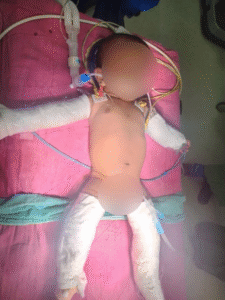
In this case, Dr. Prabhu Karunakaran, Pediatric Urologist from Hyderabad, shares the journey of a 2.5-month-old baby girl who underwent robotic surgery for a congenital kidney obstruction—making her one of the smallest children in India to receive this advanced treatment.
Understanding PUJO: Why This Baby Needed Surgery
The infant was diagnosed with Pelvi-Ureteric Junction Obstruction (PUJO), a condition where the connection between the kidney and the ureter is narrowed or blocked. This prevents urine from draining properly, causing the kidney to swell (hydronephrosis) and potentially leading to permanent kidney damage if left untreated.
Common symptoms of PUJO in infants include:
- Swelling of the kidney detected during pregnancy or after birth
- Recurrent urinary tract infections
- Poor drainage of urine
- Progressive loss of kidney function in severe cases
When significant obstruction is present, surgery becomes the definitive treatment to restore normal urine flow and preserve kidney function.
Why Robotic Surgery in a 2.5-Month-Old Infant Is So Rare
Performing robotic surgery in babies weighing only a few kilograms presents enormous technical challenges.
The baby’s body cavity offers extremely limited working space, requiring meticulous planning, specialized instruments, and exceptional surgical expertise. Even among experienced robotic surgeons, only a handful have successfully performed robotic reconstructive procedures in infants this young.
This case represents not just a technological achievement but also demonstrates how advances in pediatric robotic surgery are expanding the boundaries of what is safely possible.
How Robotic Surgery Improves Precision
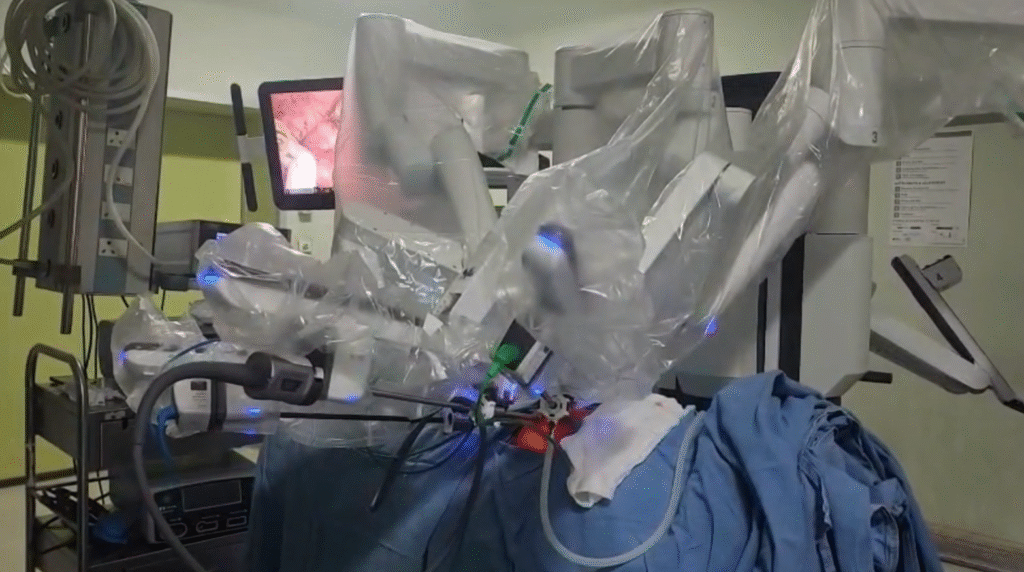
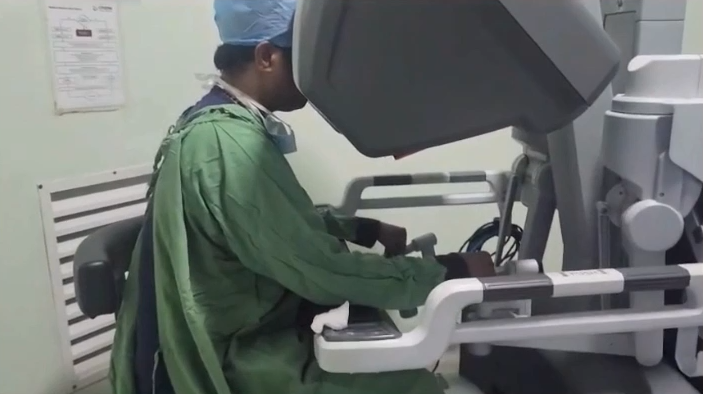
During the procedure, the baby was carefully positioned before the robotic system was docked. Using the robotic console, the surgeon controlled highly sophisticated robotic instruments that translated even the smallest hand movements into precise actions inside the child’s body.
The procedure utilized specialized instruments, including:
- Black Diamond Forceps
- Micro Bipolar Forceps
These instruments allow surgeons to:
- Perform extremely delicate tissue handling
- Create precise sutures and knots
- Minimize trauma to surrounding tissues
- Improve surgical accuracy in confined spaces
The robotic platform does not operate independently—every movement is fully controlled by the surgeon, providing enhanced dexterity, stability, and visualization throughout the operation.
A Remarkably Fast Recovery
One of the greatest advantages of minimally invasive robotic surgery is the potential for faster recovery.
Just 48 hours after surgery, the infant was already active, smiling and happily babbling during catheter removal. This was a powerful demonstration of how well she had recovered after the minimally invasive procedure. Following catheter removal, she was discharged home, highlighting the benefits of robotic surgery even in extremely young patients.
Early recovery may help reduce:
- Post-operative discomfort
- Length of hospital stay
- Recovery time for infants and families
The Future of Robotic Surgery for Children
As robotic technology continues to evolve, surgeons are increasingly able to treat complex congenital conditions in younger and smaller patients than ever before.
This case demonstrates how experienced pediatric surgical teams can safely apply robotic-assisted techniques even in highly challenging infant surgeries. With continued advancements in technology, training, and collaboration, robotic surgery is expected to play an even greater role in improving outcomes for children with complex urological conditions.